
The Global Cabling Surge Is Here — What It Means for South African Data Centres
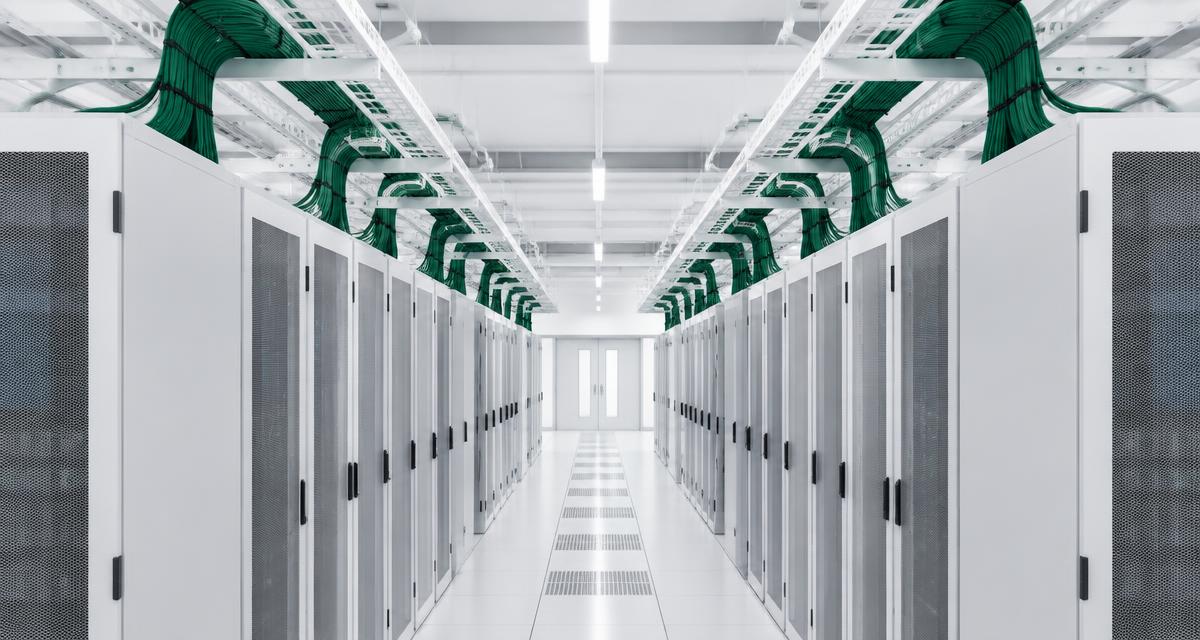
Global data centre data points tell an eye-opening story: according to BSRIA’s Structured Cabling Worldwide 2026 report, the global structured cabling market has reached $9.08 billion, propelled by an extraordinary 54% single-year expansion in data centre cabling alone.
Data centre deployments now account for 41% of all structured cabling installed worldwide—nearly double its market share from 2018.
The report highlights a glaring geopolitical reality: the United States captured 89% of all new market value, outspending second-place China by 14 times. Driven by hyperscaler AI buildouts, American infrastructure is consuming physical layer assets at a rate never seen before.
While global headlines focus on Northern Hemisphere hyper-scale clusters, what does this massive structural shift mean for South Africa?
The South African Reality: A $5 Billion Market Facing High-Density Demands
South Africa isn't lagging—it's building at full speed under very specific constraints:
- Local Growth Is Surging: Arizton Advisory & Intelligence research forecasts South Africa’s data centre market will expand from $2.6 billion in 2025 to over $5 billion by 2031.
- The Capacity Crunch: SA currently hosts over 58 operational facilities accounting for approximately 350 Megawatts (MW) of IT load—representing less than 1% of the global total. However, massive developments, like Equinix’s 174 MW project in Cape Town (King Air Industria) alongside ongoing hyperscaler expansions in Ekurhuleni and Midrand, are rapidly altering local density requirements.
- The Bottleneck Has Shifted: In South Africa, the challenge isn't just ordering server racks; it's navigating grid power limits and rack-level heat density.
Why Cabling Strategy Is Now a Core Business Risk in Mzansi
When high-density AI and cloud workloads land in Gauteng or Western Cape facilities, standard legacy structured cabling creates immediate operational risks:
- Airflow Obstruction & Thermal Throttling: Packing dense, unmanaged copper and patch leads into modern high-density racks impedes exhaust airflow. In South Africa—where data centres carefully manage PUE (Power Usage Effectiveness) against local climate and water usage constraints—airflow friction translates directly into wasted cooling energy and equipment throttling.
- Ultra-Low Latency & Interconnects: Major African operators, such as Africa Data Centres, are partnering with dedicated fiber infrastructure providers (like Oni-Tel’s dark fiber networks) to link campuses in Midrand and Samrand. High-bandwidth, low-latency interconnects require precision physical-layer terminating, pre-terminated fiber trunks, and spotless cable management to prevent optical signal loss.
- Supply Chain Allocation: With the US absorbing 89% of new global cabling production, procurement lead times for high-grade fiber, OM5/OS2 cabling, and specialized patch panels are tightening globally.
3 Hard Infrastructure Rules for SA IT & Facility Managers
If you are upgrading internal server rooms, setting up colocation space, or planning a campus-wide network refresh in South Africa, keep these principles front and center:
- 1
Pre-Engineer for Thermal Efficiency
Choose slimline, high-density patch leads (such as 28 AWG copper for network patches) and structured optical trunking. Reducing cable bundle volume in rack pathways by up to 50% significantly improves airflow, lowers fan power usage, and saves operational costs.
- 2
Audit Fiber Quality at the Physical Layer
Hyperscale AI traffic and cloud replication leave zero margin for signal degradation. Ensure all internal fiber runs, MTP/MPO backbones, and patch fields are end-face inspected, cleaned, and certified to Tier 1 / Tier 2 standards before live deployment.
- 3
Plan Procurement Early
Do not wait until servers arrive on-site to order structured cabling containment, fiber runs, or rack patch panels. Partner with local providers who maintain local stock holdings and audited supply chains to avoid global lead-time delays.
How 2bo Keeps Your Physical Layer Ahead
At 2bo, we bridge the gap between international infrastructure standards and local South African conditions. Whether you're optimizing an enterprise server room in Sandton, setting up colocation infrastructure in Cape Town, or executing high-density cabling audits, our technical team delivers:
- High-Density Fiber & Copper Solutions: Purpose-built for maximum airflow and minimum signal loss.
- Turnkey Physical Layer Audits: Pinpointing bottlenecks, thermal risks, and cable degradation before they cause downtime.
- Localized Supply Reliability: Ensuring your infrastructure builds stay on schedule without waiting on international backlogs.
Ready to future-proof your data infrastructure?
Contact the 2bo Infrastructure Team today to discuss your next data centre or structured cabling deployment.